What is Pilates? Who it is for, and what it does and doesn't do
A short, honest answer: what you do in a Pilates class, what it trains, and what it does not promise.
Pilates is a system of controlled exercises, done on a mat or on equipment, that trains your core, your posture and your control over how you move. It is quiet, slow and exact rather than loud and fast. In Thai, about 260 people a month search for "พิลาทิสคืออะไร", "what is Pilates" (Google Keyword Planner, Thailand, October 2025 to September 2026). This is the short answer.
What you do in a Pilates class
You do a series of small, careful moves, usually lying, sitting, kneeling or standing, and the teacher tells you where to feel each one. There is no jumping around and no music you have to keep up with. A class lasts 45 to 60 minutes.
Pilates comes in two main forms:
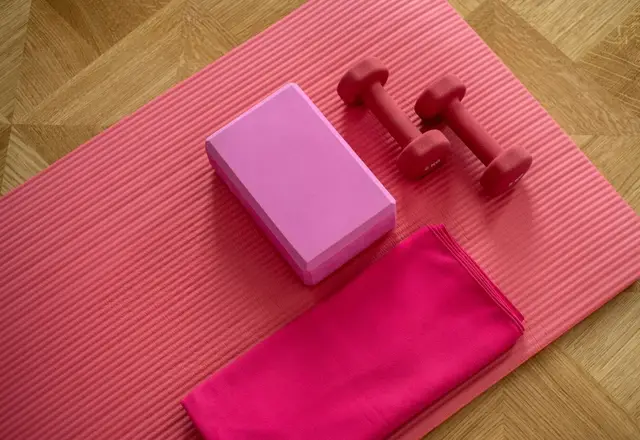
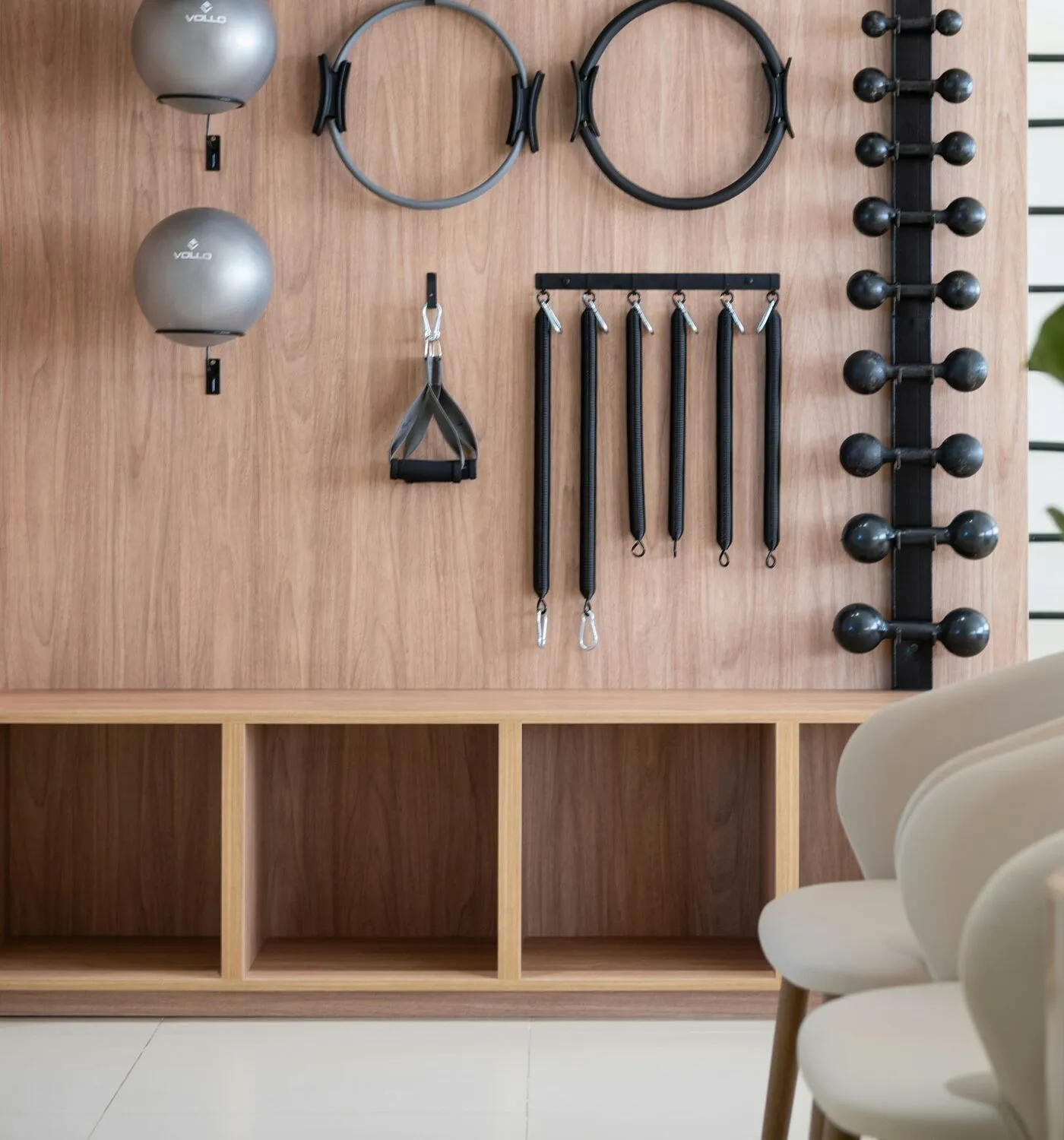
- Mat Pilates uses your own body weight on a mat, sometimes with a small ring, ball or band.
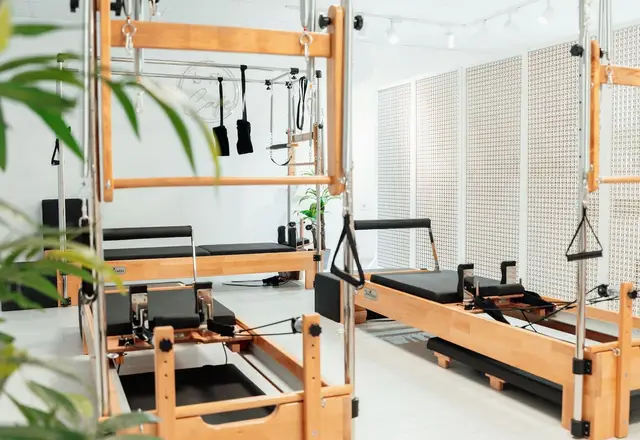
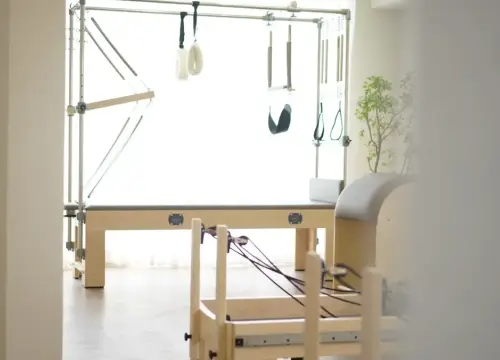
- Equipment Pilates uses machines with springs, most often the reformer. Our guide to reformer Pilates in Bangkok shows how a class runs, and Pilates equipment explained compares the machines.
Where it comes from
Joseph Pilates, who was born in Germany, started developing his exercises in the early 1900s and called his method "Contrology". He opened a studio in New York in 1926, and in 1945 he published a book about it, Return to Life through Contrology. Teachers still work from his ideas, and many have added to them.
Six principles often taught
Teachers explain Pilates through a few principles. Lists differ a little from school to school; these six are the ones commonly taught.
You do not need to memorise them. In class you will hear them as short cues: "slow down", "breathe out as you lift", "start from your belly".
What Pilates trains
People mostly use Pilates to work on:
- Core strength, meaning the muscles around your trunk
- Posture, how you stand and sit
- Control and balance, moving on purpose
- Awareness, noticing how your body moves
What Pilates does not promise
Pilates is not a medical treatment. We do not promise weight loss, pain relief or any change in your body, and nobody honest can, because results depend on you, how often you go and your whole routine. If you have back pain, an injury, a health condition or you are pregnant, ask your doctor first, then tell the studio.
Who it is for
Most adults can find a class that suits them: office workers, runners, older people, people coming back to exercise. You do not have to be flexible or fit. The teacher adjusts each move, and a reformer can make a move easier by supporting you. If you are not sure which class to join, ask the studio for a beginner or intro class.
How to start in Bangkok
- Choose mat or reformer. Reformer classes usually cost more and are smaller; mat classes are larger and usually cost less.
- Check what to bring: see what to wear to Pilates.
- Book ahead and say it is your first time. Our guide to your first Pilates class in Bangkok walks through the day.
If you are also curious about yoga, read types of yoga. To see all studios, go to Pilates in Bangkok or search by BTS and MRT station.
Studios to look at
 Studio · BTS BearingAira Studio Pilates ReformerPilatesE14Bearing · 4 min walk · exit 2
 Studio · Ratchada-LadpraoBellyBurn Pilates LabPilatesYL01Lat Phrao · 2 min walk
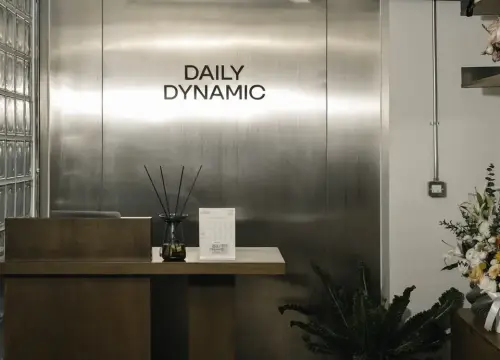 Studio · S&B Tower SilomDaily Dynamic Pilates StudioPilatesS4Saint Louis · 5 min walk · exit 5
 StudioFlew and Flow.bkkPilatesE9On Nut · 14 min walk · exit 2
Questions
Do I need to be flexible or fit to start Pilates?
No. Teachers adjust each move to the person in front of them, and many classes are made for beginners. Tell the studio it is your first time.
What is the difference between Pilates and yoga?
Pilates is built around controlled, precise movements that start from the core, often on a mat or on equipment such as the reformer. Yoga comes from India and works with poses, breathing and, in many classes, meditation. Many people try both. Our guide to yoga styles explains the yoga side.
Is Pilates safe if I have an injury, back pain or I am pregnant?
That is a question for your doctor, not for a website. Ask your doctor first, then tell the studio so the teacher can adjust the class.
How many Pilates studios are there in Bangkok?
97 of the 154 studios and gyms listed on FeelCore teach Pilates.
Studio counts come from the FeelCore listings and update when they change. Nothing here is medical advice; if you are pregnant or have an injury, ask your doctor and the studio first.